

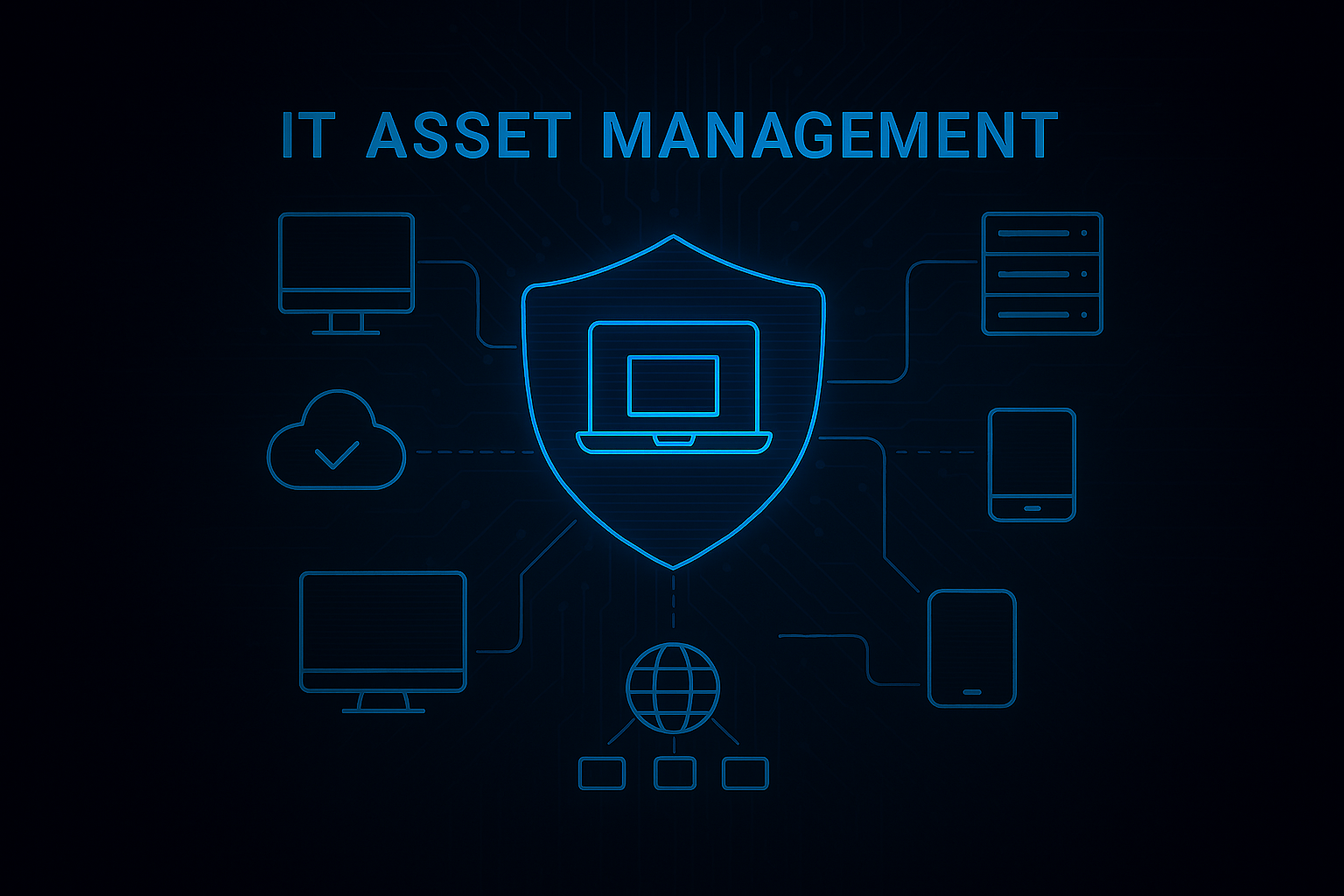
IT Asset Management (ITAM) is the process of tracking, managing, and optimizing an organization’s IT assets throughout their lifecycle. These assets include hardware, software, licenses, and cloud resources. Effective ITAM helps organizations reduce costs, improve efficiency, and enhance security.
The lifecycle of an IT asset typically includes procurement, deployment, maintenance, and retirement. Proper management at each stage ensures that assets are used effectively and securely. For example, outdated hardware and software can introduce vulnerabilities, making it essential to monitor asset lifecycles.
One of the primary benefits of ITAM is cost optimization. By maintaining an accurate inventory of assets, organizations can avoid unnecessary purchases and ensure that resources are used efficiently. License management is particularly important, as unused or underutilized licenses can lead to wasted expenses.
Visibility is another key advantage. ITAM provides a centralized view of all assets, enabling better decision-making and planning. This is especially important in large organizations with complex IT environments.
Security is closely linked to asset management. Unmanaged or unknown assets can create vulnerabilities that attackers can exploit. ITAM helps ensure that all assets are tracked, updated, and secured.
Automation tools are increasingly used to manage IT assets. These tools can automatically discover devices, track usage, and generate reports. Automation reduces manual effort and improves accuracy.
Compliance is another important aspect. Many regulations require organizations to maintain accurate records of their IT assets. ITAM helps ensure compliance by providing detailed documentation and audit trails.
Cloud assets present new challenges for ITAM. Unlike traditional hardware, cloud resources can be dynamic and scalable. Organizations must implement tools and processes to track and manage these assets effectively.
In conclusion, IT Asset Management is essential for optimizing IT resources and maintaining security. By implementing effective ITAM practices, organizations can reduce costs, improve efficiency, and enhance their overall IT strategy.