

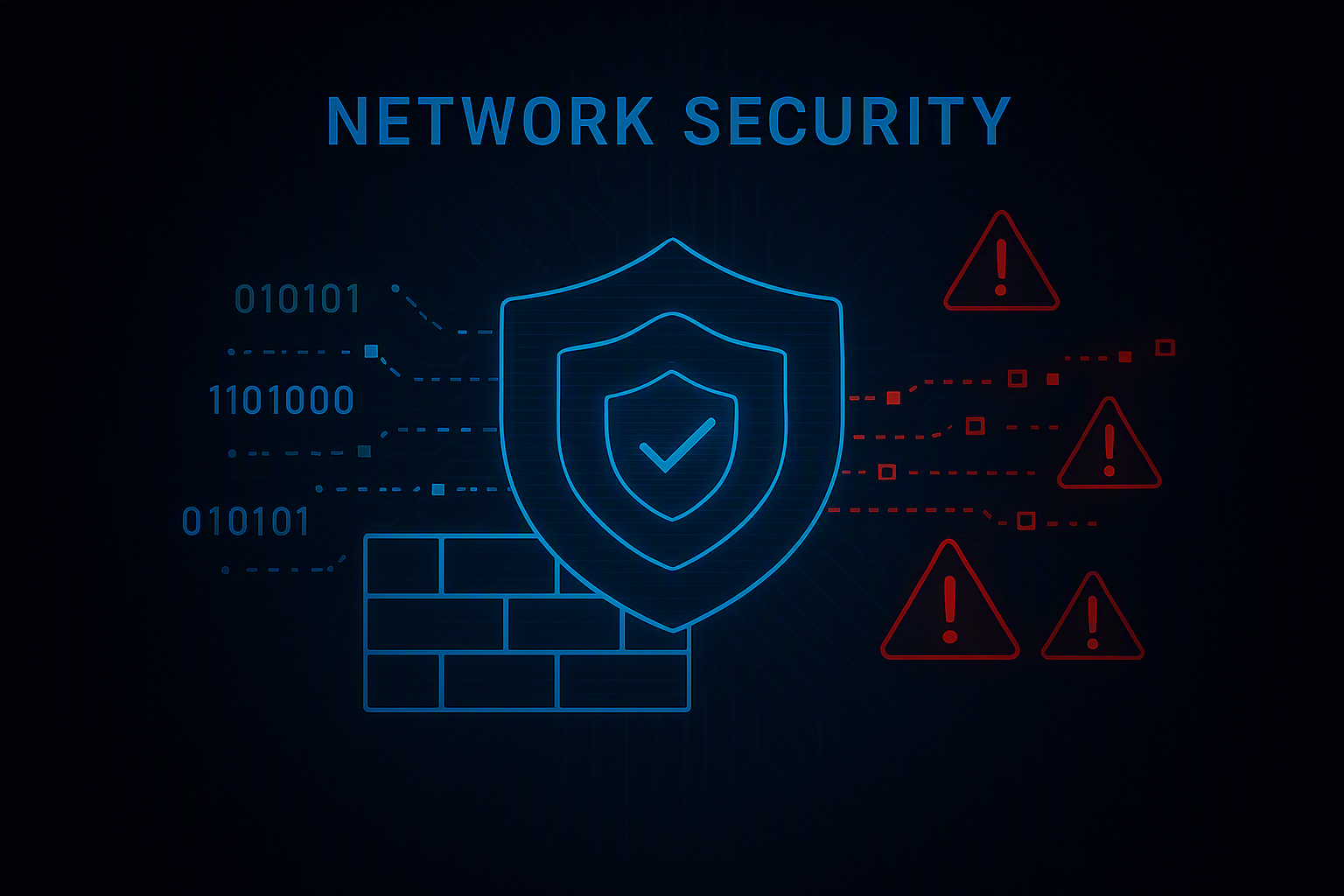
Network security is the practice of protecting computer networks from unauthorized access, misuse, and cyberattacks. As organizations rely heavily on interconnected systems, securing networks is essential for maintaining data integrity and availability.
One of the core components of network security is the firewall. Firewalls act as a barrier between trusted and untrusted networks, filtering traffic based on predefined rules. They prevent unauthorized access while allowing legitimate communication.
Encryption is another critical element. It ensures that data transmitted over the network is protected from interception. Protocols such as HTTPS and VPNs use encryption to secure communications.
Access control is essential for managing who can access network resources. This includes authentication methods such as passwords and multi-factor authentication, as well as authorization policies that define user permissions.
Intrusion detection and prevention systems (IDPS) monitor network traffic for suspicious activity. These systems can detect potential threats and take action to prevent attacks.
Network segmentation improves security by dividing the network into smaller sections. This limits the spread of threats and provides additional layers of protection.
Regular security assessments and penetration testing help identify vulnerabilities. These assessments enable organizations to strengthen their defenses and address weaknesses.
User education is also important. Employees must understand best practices for network security, such as avoiding unsecured networks and recognizing phishing attempts.
In conclusion, network security is a fundamental aspect of cybersecurity. By implementing robust security measures, organizations can protect their networks and ensure the safe operation of their IT infrastructure.