

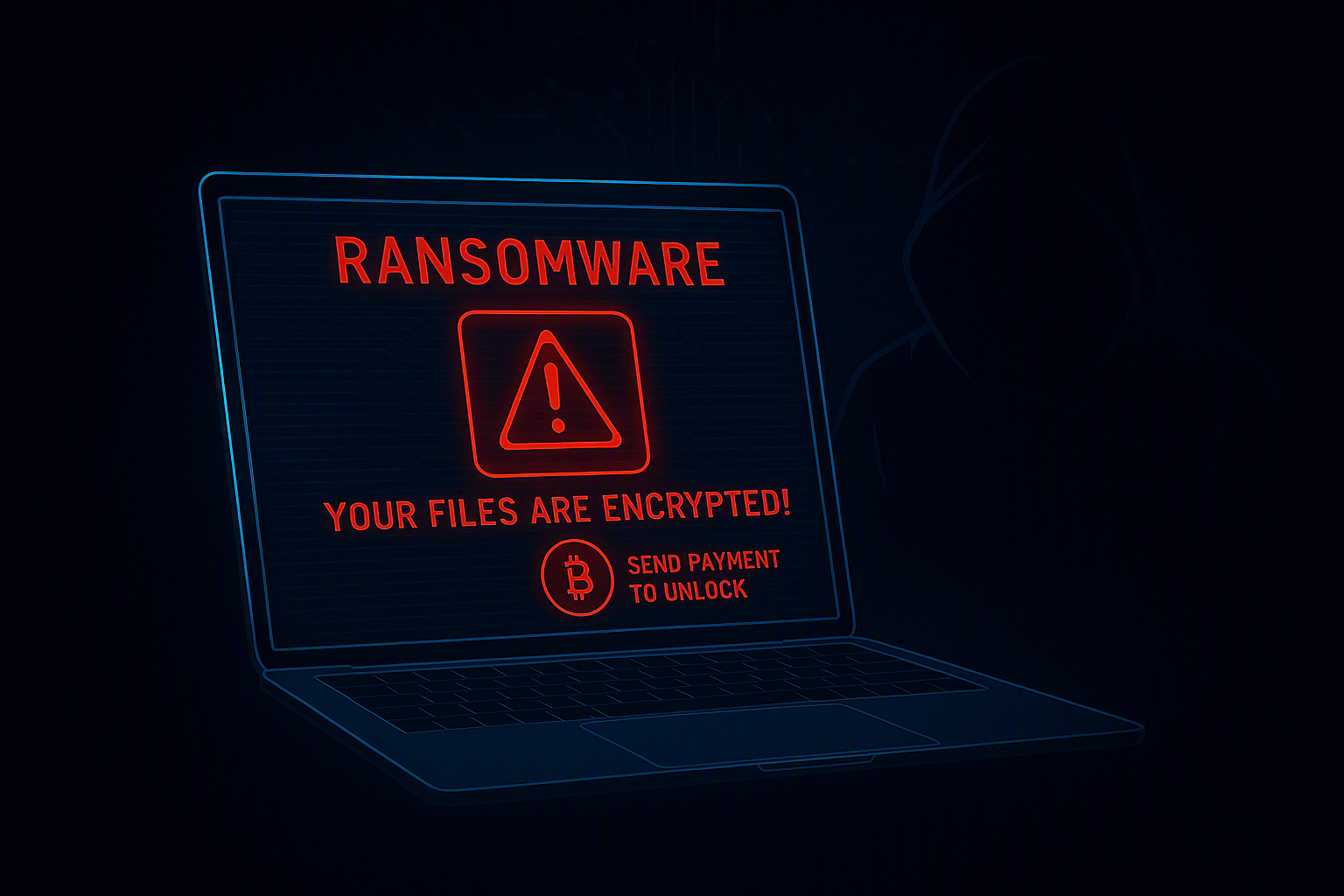
Ransomware attacks have become one of the most damaging forms of cybercrime in recent years. These attacks involve malicious software that encrypts a victim’s data, rendering systems unusable until a ransom is paid. With the rise of digital transformation and remote work, ransomware has evolved into a sophisticated and highly profitable business model for cybercriminals.
Modern ransomware attacks are no longer random or opportunistic. Attackers often use targeted approaches, focusing on organizations that are more likely to pay, such as healthcare providers, government agencies, and large enterprises. These attacks are frequently preceded by reconnaissance, where attackers gather information about the target’s infrastructure and identify vulnerabilities.
One of the most significant trends in ransomware is double extortion. In addition to encrypting data, attackers also steal sensitive information and threaten to release it publicly if the ransom is not paid. This puts additional pressure on victims, as they must consider both operational disruption and reputational damage.
The infection process typically begins with phishing emails, malicious downloads, or exploitation of software vulnerabilities. Once inside the network, ransomware spreads laterally, often targeting backups and critical systems. This ensures maximum impact and increases the likelihood that the victim will pay the ransom.
Preventing ransomware requires a multi-layered security approach. Regular backups are essential, as they allow organizations to restore data without paying the ransom. However, backups must be stored securely and isolated from the main network to prevent them from being compromised.
Endpoint security solutions, such as antivirus and EDR tools, play a critical role in detecting and blocking ransomware. These tools use behavioral analysis to identify malicious activity and stop attacks before they can cause significant damage.
User awareness is another key factor. Employees must be trained to recognize phishing emails and avoid suspicious links or attachments. Since many ransomware attacks begin with human error, education is an essential defense.
Network segmentation can help limit the spread of ransomware. By dividing the network into smaller segments, organizations can prevent attackers from accessing critical systems even if they gain initial entry.
Incident response planning is also crucial. Organizations should have a clear plan for responding to ransomware attacks, including isolating affected systems, notifying stakeholders, and working with cybersecurity experts. Quick and effective response can significantly reduce the impact of an attack.
In conclusion, ransomware remains a major threat in 2026, with increasingly sophisticated tactics and severe consequences. By implementing strong security measures, training employees, and preparing for incidents, organizations can reduce their risk and improve their resilience against ransomware attacks.